perceptiondaily — brief november 15 2026
Israel's Security Cabinet convenes today for the first time since October, with a possible strike on Iran on the table. Tehran threatens global retaliation. Diplomacy stalls, Hormuz closed, Brent at $95. The war doesn't end — it mutates.
🚨 OPENING
ISRAEL'S SECURITY CABINET MEETS TODAY. WAR IS ON THE TABLE.
Today, Sunday November 15, Israel's Security Cabinet convenes for the first time since October 5. No official agenda has been released. But Israeli sources are explicit: in the past 72 hours, the cabinet already ordered the IDF to raise operational readiness for a possible strike on Iran. Public broadcaster KAN reported that the directives issued "could lead the military to carry out activities that could trigger a war."
Netanyahu said yesterday that the Iranian threat must be removed "once and for all." Defense Minister Katz declared the mission "not complete," citing Iran's reconstructing nuclear program. Israeli intelligence estimates Tehran has already recovered approximately 20% of its pre-war ballistic missile production capacity. For Israel, every passing week is a week Iran re-arms.
The paradox is that Washington doesn't want it. Rubio said Thursday there is "no need for military action" because economic pressure is working. Trump said "we don't need a deal." Two contradictory messages that leave a vacuum — and Israel may fill it alone. Today's meeting is the most dangerous moment in weeks.
📍 MILITARY SITUATION
🇮🇱 ISRAEL — INTERNAL ESCALATION
Security Cabinet convenes today for the first time in 40 days. IDF on high alert for possible strike on Iran. Eisenkot urges Netanyahu not to act without parliamentary consensus.
---
🇮🇷 IRAN — THREATS AND MISSILE PRODUCTION
IRGC has lifted its self-imposed missile range limits. Rezaei: any US base "from West Asia to Europe" is a legitimate target. Ballistic missile production at 20% of pre-war capacity.
---
🇮🇷 HORMUZ — MINES AND FIRE
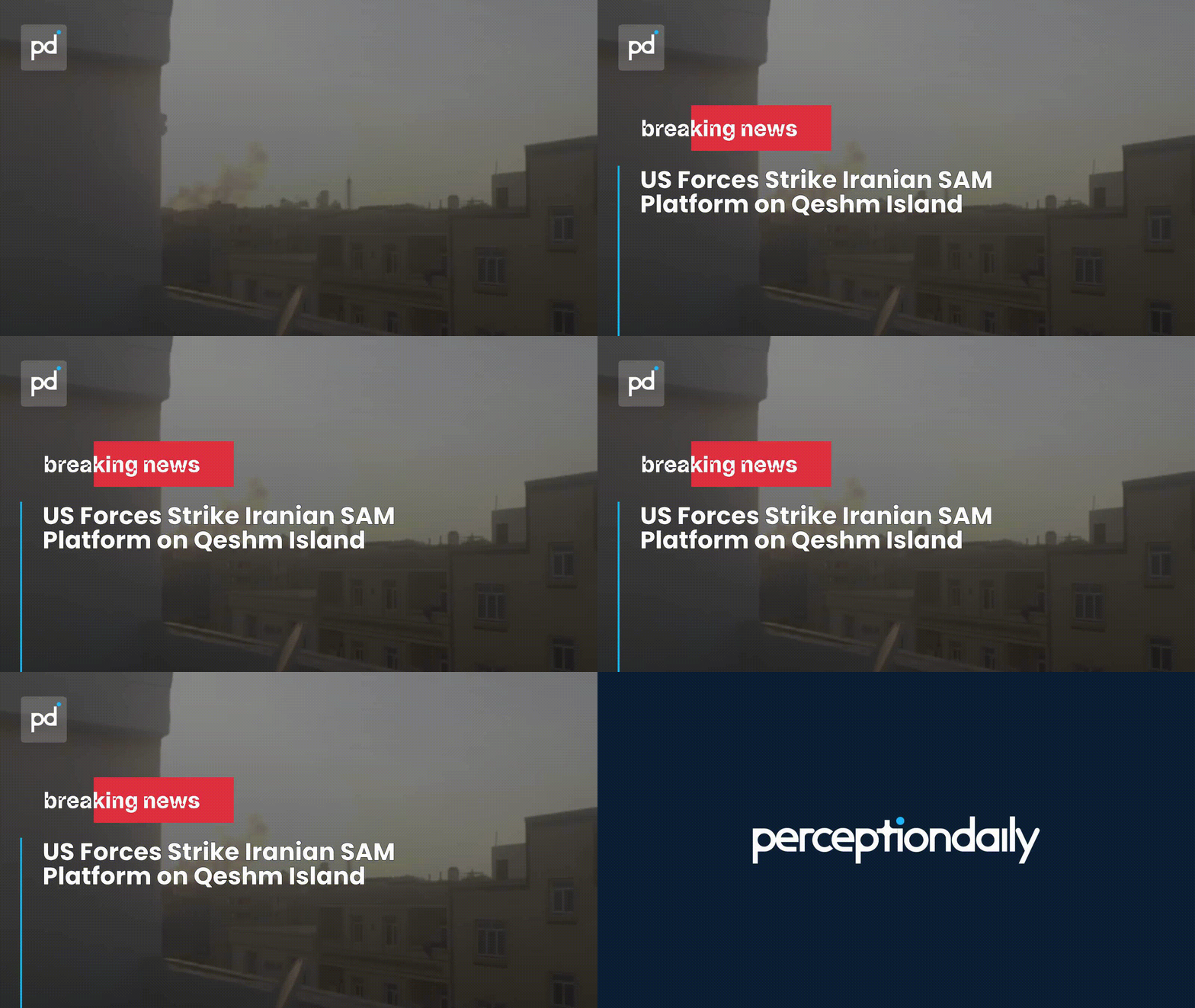
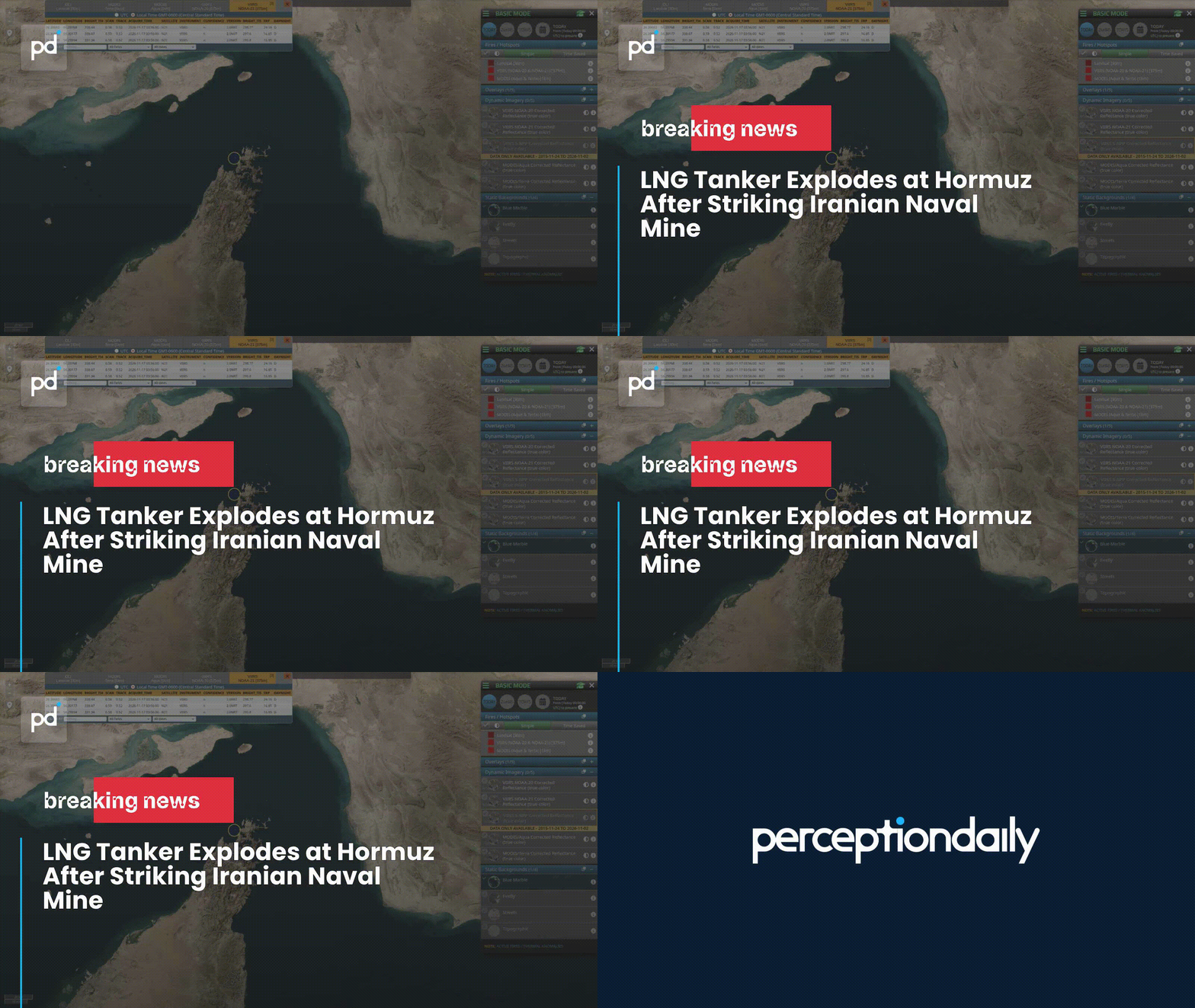
At least one tanker on fire after striking a mine near the Strait (November 14). Only 3 ships transited on November 8, against a pre-crisis average of 85 per day. The strait is closed to commercial shipping.
---
🇺🇸 USA — NAVAL BLOCKADE AND DRONES
IRGC shot down an American MQ-1 drone near Kuhestak on November 13 — the sixteenth intercepted since the war began. IRGC also claimed an attack on a US early-warning radar in Bahrain.
---
🌐 GEOPOLITICS
Russia and China call for an immediate end to the war and a negotiated solution. The UN counts 25 seafarers killed in and around the Strait since the conflict began. Qatar and Turkey sign a defence pact.
🌡️ CALIBRATE — Israel raising readiness does not automatically mean it will strike. Eisenkot, tasked with forming the next government, has every interest in blocking Netanyahu. Israeli domestic politics is as critical a variable as the military one.
🔑 KEY DEVELOPMENT OF THE DAY
The IEA declared on Friday that for the first time since the war began, oil supply is outpacing global demand. Gulf producers are pumping more crude and global output is at record levels. Brent dipped below $90 at one point this week before recovering. This changes the geometry of the conflict: Tehran was counting on the energy weapon to wear down the West. If the market absorbs the Hormuz shock, that lever weakens. For Iran, the window to use oil as a diplomatic weapon is closing.
☄️ DON'T LOOK UP
Today: European energy bills remain elevated. Brent at $95, +33% above pre-war levels. Freight inflation still high.
Within 30 days: If Israel strikes Iran, Brent returns above $110 within 48 hours. European fuel prices at new highs. Asian flight routes further disrupted.
If Hormuz stays closed beyond May: Europe completes its transition to American and African LNG at structurally higher costs. Industrial recession in Germany and Italy becomes unavoidable.
⚡ ENERGY AND MARKETS
Brent closed Friday at $95.84 (+0.02%), WTI at $88.56. Markets are pricing in fragile diplomatic signals while incorporating today's Israel risk. The IEA certifies a supply surplus for the first time since the conflict began: Gulf producers are compensating for Hormuz. Polymarket gives only a 6% probability of Hormuz returning to normal by December 31.
📌 PERCEPTION INDEX - how to read it
⬇️ YOU'RE UNDERESTIMATING IT - more important than it seems
⬆️ YOU'RE OVERESTIMATING IT - emotional reaction > real weight
🌡️ CALIBRATE - reality is more nuanced than the dominant narrative
📊 PERCEPTION INDEX - SUMMARY
🔴 Israeli Security Cabinet today ............... ⬇️ The real decision point of the conflict
🔴 Iran rebuilding missiles at 20% ............... ⬇️ Nobody is talking about this enough
🟡 Trump "no deal needed" ............... 🌡️ Electoral rhetoric or real strategy?
🟡 Rubio: economic pressure is enough ............... 🌡️ Contradicts Netanyahu, doesn't stop him
🟠 Brent at $95 ............... ⬆️ Markets already pricing in a lot
🟡 IEA: supply exceeds demand ............... ⬇️ Undervalued data, changes the economic war
🟠 25 seafarers dead at Hormuz ............... ⬇️ Humanitarian threshold nobody mentions
🔴 IRGC: Europe in missile crosshairs ............... ⬇️ Structural threat being ignored
🎖️ PERCEPTION DEFCON INDEX
🔴 DEFCON 1 — CRITICAL THRESHOLD ACTIVE
Israel's Security Cabinet convenes today with an explicit mandate to evaluate operations against Iran. The IRGC has lifted its range limits. Tehran is threatening European bases. Trump says no deal is needed and de facto delegates tactical decisions to Israel. The system is one trigger away from vertical escalation.
Escalation triggers:
— Israeli cabinet authorizes strikes on Iranian nuclear sites
— IRGC attacks a US base in Bahrain or the Gulf with significant damage
De-escalation signals:
— Eisenkot blocks Netanyahu in cabinet with a dissenting vote
— Qatar brings Washington an Iranian nuclear proposal acceptable to Rubio
perceptiondaily by thesmallmediacompany warfare intelligence. next brief: tomorrow at 7.00am.